Conditions We Treat

Conditions

Brain Tumour

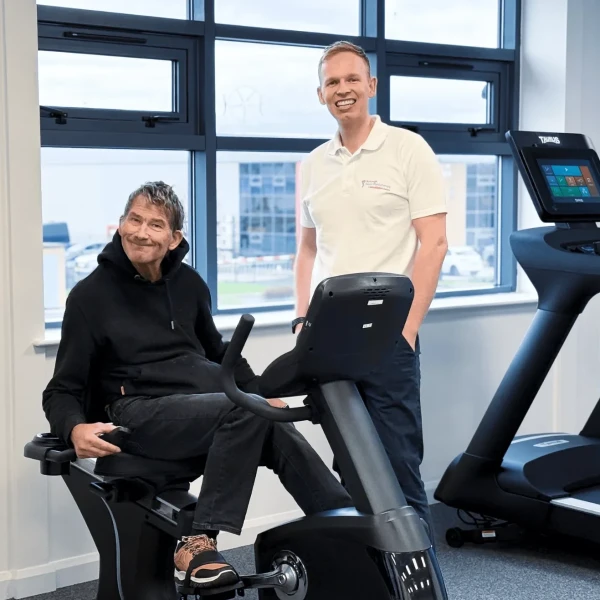
A brain tumour and its treatment can affect how your body moves, your balance, strength and energy levels. Tasks that once felt simple such as standing, walking or dressing, may suddenly require more effort or support.

Brain Tumour Rehabilitation
Brain Injury Physiotherapy

Brain Injury

Whether your brain injury is traumatic or acquired, changes in movement, balance, strength and coordination are common. Tasks that once felt simple, such as standing, walking or getting dressed, may suddenly require more effort, support or practice.

Cerebral Palsy

Although cerebral palsy is a non-progressive condition, the physical demands of living with it can change over time. Day-to-day activities may begin to take more effort and place extra strain on your joints and muscles, which can lead to increased discomfort, fatigue and reduced mobility.

Cerebral Palsy Physiotherapy
Falls Prevention and Rehabilitation

Falls Prevention & Rehabilitation

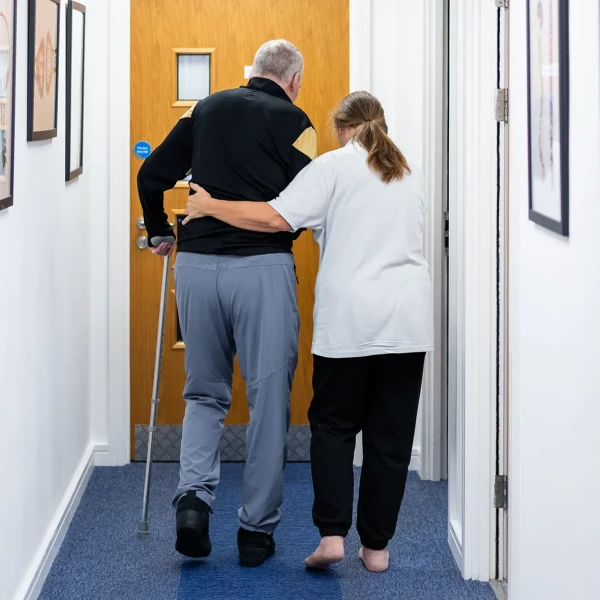
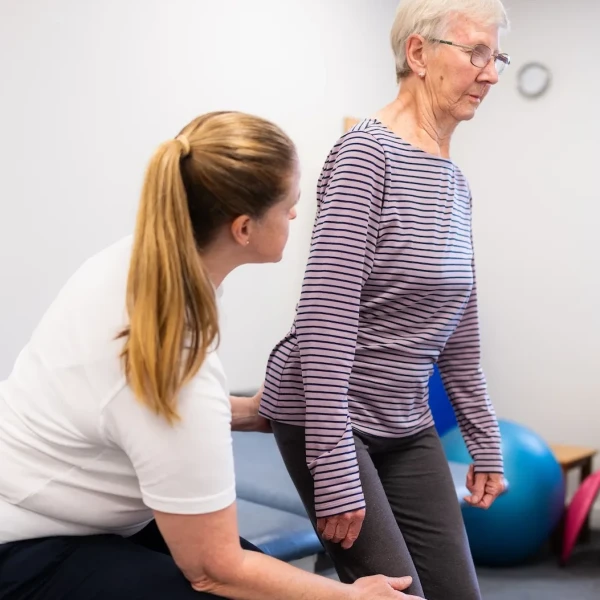
A fall can happen to anyone, but the risk often increases with age, changes in balance, reduced strength, or certain health conditions. Even one fall can have a significant impact, leaving you feeling less steady, less confident, and more anxious about moving around safely.
Functional Neurological Disorder (FND)

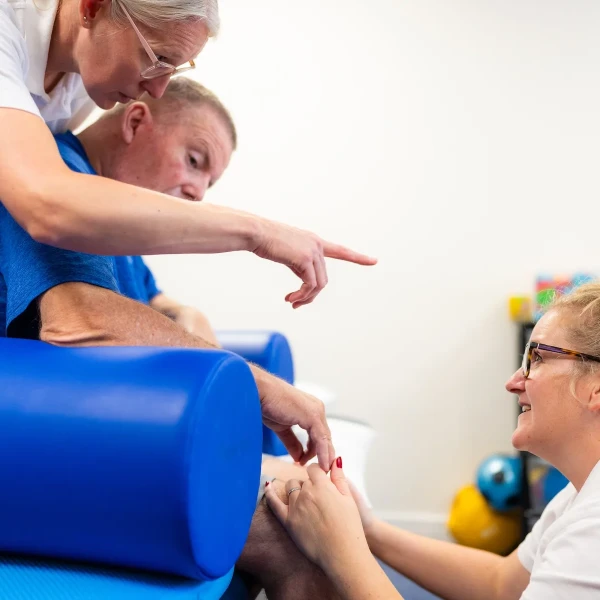
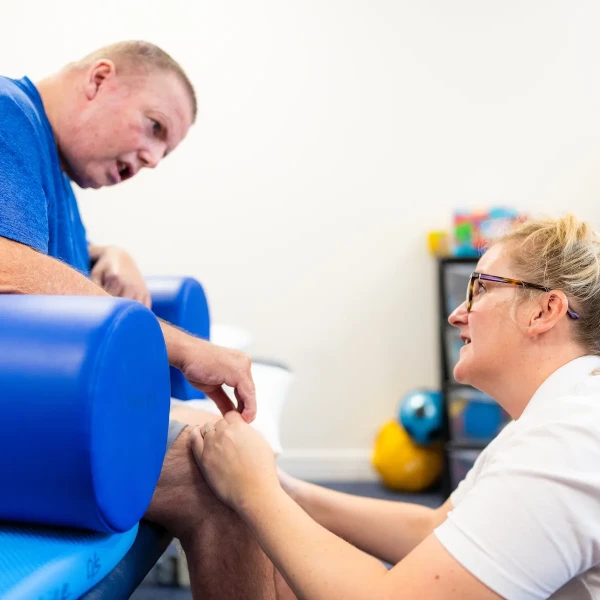
Functional Neurological Disorder (FND) is a neurological condition that affects how the brain controls movement, sensation, and function within the body.

Functional Neurological Disorder (FND)
Multiple Sclerosis

Multiple Sclerosis (MS)

We understand that no two days are the same when living with Multiple Sclerosis (MS). Whether it’s fatigue, difficulty walking longer distances, or changes in sensation and function, many people tell us that the hardest part isn’t just the symptoms themselves, but the uncertainty of when and how they will appear.

Neuropathy

There are various types of neuropathy, all of which can affect the way your body feels and functions. Whether your neuropathy is linked to diabetes, injury, medical treatment or another underlying cause, everyday tasks can become more difficult, uncomfortable and unpredictable.

Neuropathy Physiotherapy
Parkinson’s Disease Physiotherapy

Parkinson's Disease

Living with Parkinson’s can mean adapting to gradual changes in movement, balance and energy. Everyday tasks may take more thought or feel more tiring than they once did.

Physiotherapy For Older People

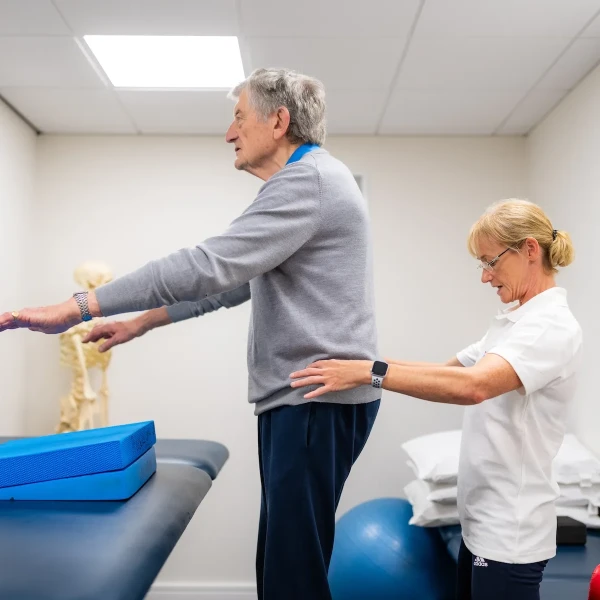
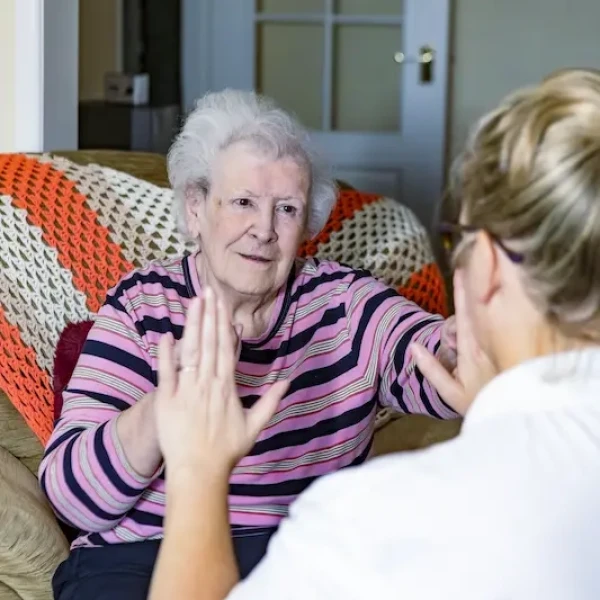
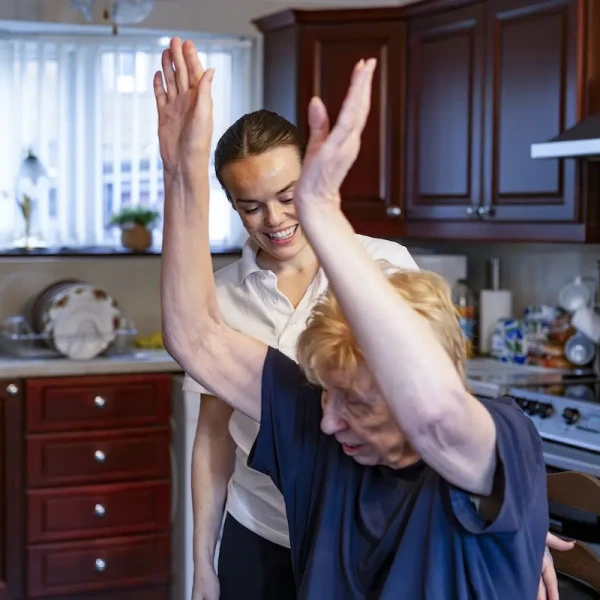
Growing older does not have to mean giving up the things you enjoy. If you have noticed that you are slowing down, feeling weaker, becoming less steady on your feet, or finding everyday tasks more difficult, we are here to help.

Physiotherapy for Older People
Spinal Cord Injury

Spinal Cord Injury

After a spinal cord injury, everyday life will look and feel different. Tasks that once felt simple may take more thought, energy, or adaptation. This can feel frustrating and, at times, uncertain.

Stroke

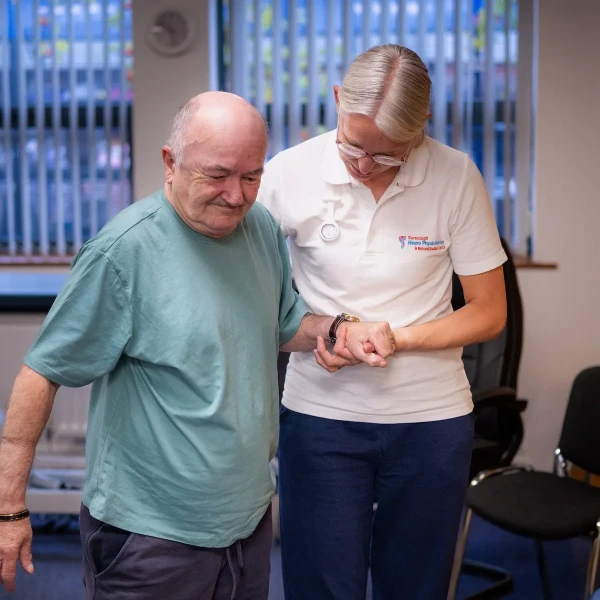
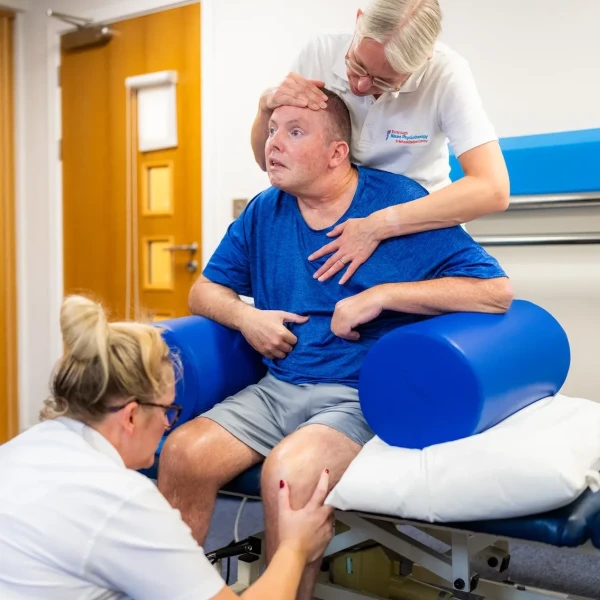
A stroke can turn everyday life upside down. Simple things such as standing up on your own, getting dressed or going to the bathroom can suddenly feel difficult or even impossible.

Stroke Rehabilitation & Recovery